Longer Itineraries
Journey from Tokyo Along the Joban Line and Witness the Recovery from the Great East Japan Earthquake
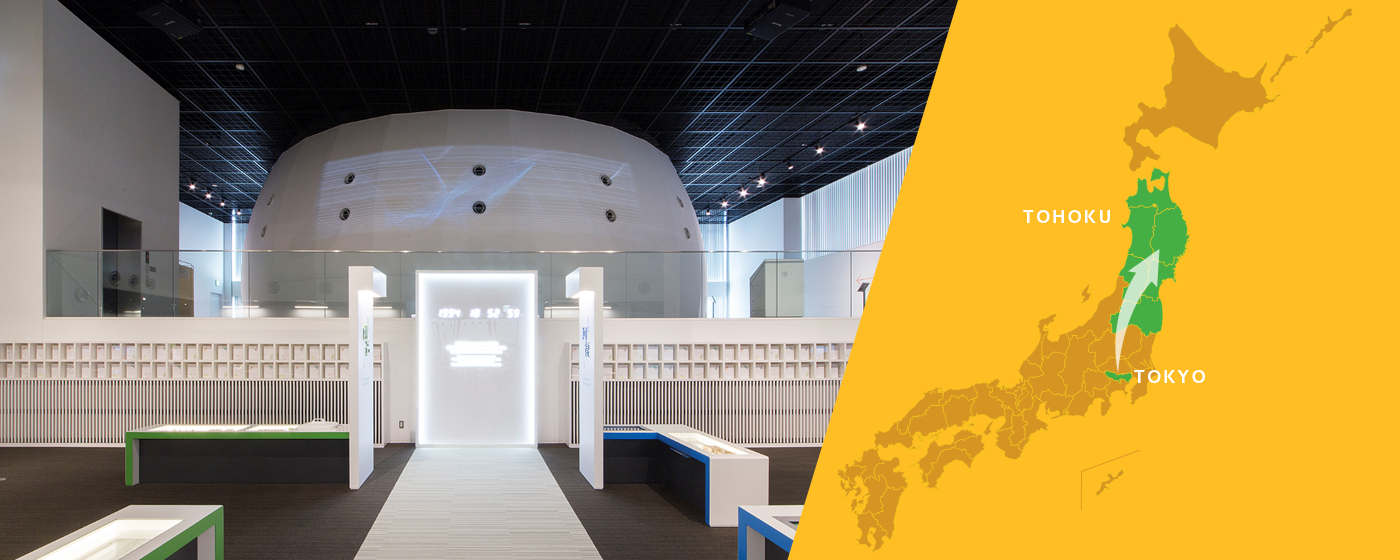
The Great East Japan Earthquake caused significant damage to the people living in Japan's Tohoku region. In this journey, you will travel along the Joban Line from disaster-prevention spots in Tokyo to areas in Tohoku that were hit by the disaster. By first visiting spots in Tokyo that have survived natural disasters and fires, and then heading to disaster-affected areas in Tohoku and seeing how they have recovered, you will be able to think more deeply about the impacts of natural disasters and about how important disaster prevention is.

*The times represent the approximate time needed to travel between major spots.
Days 1 to 3
Visit Disaster-Prevention Related Spots in Tokyo
During days one to three, you will visit spots in Tokyo where you can learn about disaster prevention, and during these three days you can gain valuable experience from this history of disaster prevention awareness!
As you learn about disaster prevention, you can also enjoy the cityscape of Tokyo.
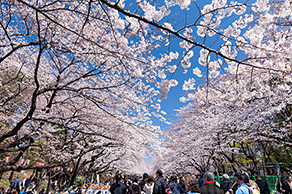
On day one you will go to Ueno Park, an oasis in the center of Tokyo, and which also has history as being the first city park in Japan. When the Great Kanto Earthquake occurred in 1923, it was used as an evacuation spot and shelter for residents. Ueno Park also has nearby art museums and a zoo, so make sure to stop by them while you are in the area!
During the next day, you will visit the Great Kanto Earthquake Memorial Museum, a memorial hall with exhibits related to the 1923 Great Kanto Earthquake. At the museum, you can become familiar with the history of Tokyo's reconstruction while looking at photographs and materials from the time of the earthquake.
For the third day, you will visit the two Karakuri Yagura clock towers in the Ningyocho neighborhood. Through the Karakuri mechanical puppets you can learn about the great successes of fire brigades during Japan's Edo period. There are also many spots for gourmet meals and lunch, no matter where your feet take you, with the long-established tempura and soba noodle restaurants being particularly recommended.
1
Ueno Park
Ueno Park is one of Japan’s first designated parks. It was established by Cabinet decree in 1873 along with Shiba, Asakusa, Fukagawa, and Asukayama Parks.This area was once the grounds of Toeizan Kaneiji Temple during the Edo period. After the Meiji Restoration, the land became government property. It was eventually given to Tokyo City in 1924 by the Imperial Household Ministry.At first the park consisted of the Kaneiji Temple main building and mausoleum, Toshogu Shrine, and the cherry trees within the temple ground. The museums, zoo, and art galleries built later transformed it into a park with a more cultural feel.


 20 minutes by train(non-JR lines)
2
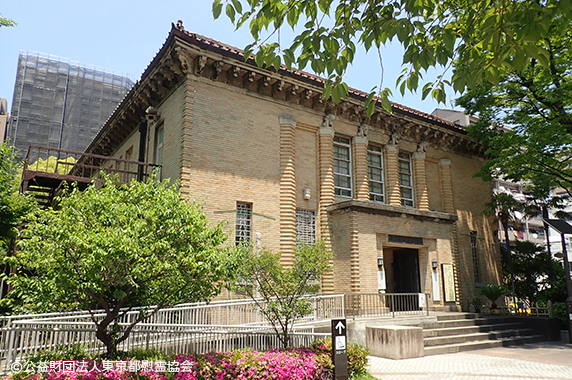
Great Kanto Earthquake Memorial Museum (Yokoamicho Park)
The Great Kanto Earthquake Memorial Museum in Yokoamicho Park displays materials covering the 1923 Great Kanto Earthquake, the recovery from the earthquake, and the bombing of Tokyo during World War II. In addition to displaying damaged daily necessities and actual incendiary bombs, the museum also displays materials related to the bombing of Tokyo and the reconstruction from the war. Seeing and knowing the misery of war will make visitors think of peace once again. The museum is about a 10-minute walk from Ryogoku Station, and admission is free. There is also a children's playground and a Japanese garden within the park, making it perfect for walking on sunny days.
 10 minutes by train(non-JR lines)
3
Ningyocho Neighborhood (Karakuri Yagura clock tower inspired by Edo period fire brigades)
Amazake Alley is the small approximately 400-meter long street extending from the Amazake Yokocho Intersection just outside Ningyocho Station to Meijiza. It was given the name "Amazake Alley" because there used to be a shop selling amazake (sweet sake) at the entrance to the alley during the early Meiji Period. Even now amazake is sold at the many sake, Japanese-style confectionary, and other shops, and many people love walking down this alley to experience the Shitamachi (old Tokyo downtown) atmosphere.
 15 minutes by train(non-JR lines)
Days 4 to 6
Famous Places in Tokyo that have Survived Numerous Disasters and Fires
There are numerous famous places in Tokyo that have survived natural disasters and fires, and which have then regained their vitality and vigor. Enjoy vitality of Tokyo as a city that has been brought low and then rebuilt itself!
On day four, you will visit Tokyo's Azabu-Juban neighborhood, which recovered from the air raids of World War II and today has become a lively shopping district that is visited by many people. Taking a walk through the area while appreciating the monuments in Azabu-Juban is recommended.
On day five, you will head to Nihombashi, a neighborhood where you can feel Tokyo's history. Despite being damaged by both the 1923 Great Kanto Earthquake and the fires from the bombing of Tokyo during World War II, the town has had a fantastic recovery. This visit is also an excellent chance to enjoy the gourmet foods that are unique to Nihombashi, a town of traders and shopkeepers.
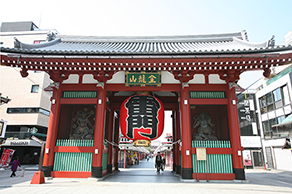
On day six, you will visit Sensoji Temple, which has existed for 1,400 years and is the oldest temple in Japan. Sensoji Temple has been in the Asakusa neighborhood of Tokyo for more than a thousand years, and has gone through multiple disasters and fires. If you have time, it is also fun to visit "Asakusa Hanayashiki," which is Japan's oldest amusement park.
4
Azabu-Juban
Azabu-Juban is an area that is popular among overseas tourists, as well as foreigners living in Japan. It is close to Roppongi, while retaining the atmosphere of Shitamachi (old Tokyo downtown). The shopping area in Azabu-Juban is a mix of new and historical shops, which keep people entertained as they stroll through the area.
 15 minutes by train(non-JR lines)
5
Nihombashi
The Nihombashi area, known as a "town for merchants," flourished in the Edo period centered on the Five Routes, which converged there. It continues to be the center of commerce and finance even today, with streets lined with offices, department stores, long-standing shops, etc.
On Chuo-dori Street, visitors may enjoy seeing Nihombashi Mitsukoshi Main Store, known as Japan's first department store, and other famous buildings of Tokyo, including the nationally designated important cultural properties of Takashimaya Nihombashi Store and the Bank of Japan Headquarters.
There are also numerous long-standing and famous specialty stores and traditional restaurants founded in the Edo period.
Ningyocho, retaining the atmosphere of Shitamachi, has many long-standing businesses from the Edo period, and it is also renowned for Suitengu Shrine dedicated to prayers of conception and easy childbirth, and the ceramics, doll and pickled vegetable fairs synonymous with their respective seasons.
 15 minutes by train(non-JR lines)
6
Sensoji Temple
Asakusa is known for its landmarks that include the red lantern of Kaminari-mon and Sensoji Temple. The Sumida and Oshiage area, home to the Tokyo Sky Tree, is found on the opposite shore of the Sumida River.

 JR Yamagata Shinkansen
40 minutes by train(non-JR lines)
Days 7 to 9
To Locations that Trace the Memories from the Great East Japan Earthquake
In Tokyo you looked at the history of disaster prevention in Japan, so now the second half of your trip will take you to the Tohoku region, where particularly severe damage was caused by the Great East Japan Earthquake in 2011. It will be a journey where you learn many things, such as both the enormous damage and the hope of reconstruction.
For day seven, you will learn about radiation and the environment in Fukushima Prefecture, which was damaged by the nuclear accident. Easy-to-understand models and videos explain how the earthquake occurred, and also include details of the nuclear accident.
During the eighth day, you will visit Kesennuma City in Miyagi Prefecture, which incurred serious damage from the tsunami. The Ruins of the Great East Japan Earthquake Kesennuma City Memorial Museum will teach you about the damage from the tsunami's effects, but is also a moving story about reconstruction and recovery.
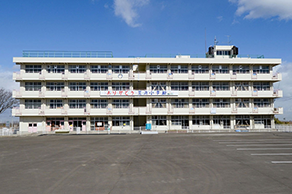
On the ninth day, you will visit Arahama Elementary School in Sendai City. When the tsunami happened, it swallowed many of the buildings in the Arahama area, with the exception of this elementary school, and the vivid scars of the tsunami remain at the school. Afterwards, you can enjoy picking seasonal fruits at the nearby JR Fruit Park Sendai Arahama, a new tourist spot that makes reuse of the remnants of the earthquake.
7
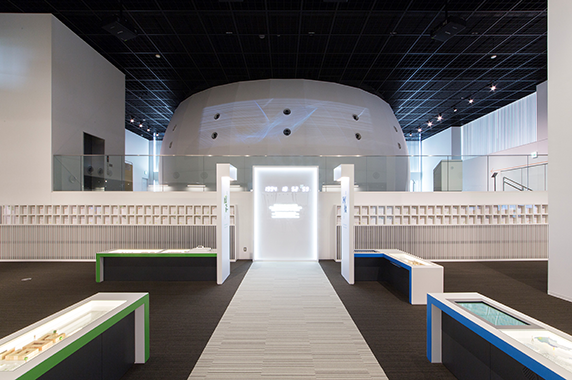
Commutan Fukushima
(Fukushima Prefectural Centre for Environmental Creation)
(Fukushima Prefectural Centre for Environmental Creation)
After departing from Tokyo, you will head to Fukushima Prefecture, which was severely damaged by the Great East Japan Earthquake. "Commutan Fukushima (Fukushima Prefectural Centre for Environmental Creation)" is a unique facility in Fukushima Prefecture where you can learn about radiation and the environment from familiar perspectives. Easy-to-understand models and videos, etc. explain Fukushima Prefecture's journey since the occurrence of the earthquake and the nuclear disaster so that visitors can get the latest information about the Fukushima of today. The "Environmental Creation Theatre," one of only two 360° globe theatres in Japan, is also a must-see attraction, where you can experience the beautiful nature and rich culture of Fukushima Prefecture through powerful imagery. Admission to Commutan Fukushima is free.
 90 minutes by car
8
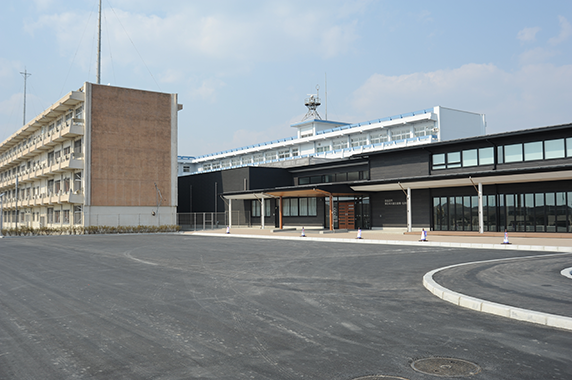
Ruins of the Great East Japan Earthquake Kesennuma City Memorial Museum
After going to Fukushima Prefecture, how about visiting Kesennuma City in Miyagi Prefecture? Kesennuma City is an area that was hit particularly hard by the tsunami caused by the Great East Japan Earthquake. At the Ruins of the Great East Japan Earthquake Kesennuma City Memorial Museum, the damaged school building has been left as it was after being damaged by the earthquake, and you can learn lessons about the threat of earthquakes. Additionally, there is an outdoor plaza with a dog park outside of the facility, which is popular not just for dogs, but also as a place for children to run around and play. The admission fee to the Ruins of the Great East Japan Earthquake Kesennuma City Memorial Museum is ¥600 for adults. The museum is a little ways away from JR Kesennuma Station, so taking BRT (Bus Rapid Transit) or a taxi is recommended.
 210 minutes by bus
9
Ruins of the Great East Japan Earthquake: Sendai Arahama Elementary School and JR Fruit Park Sendai Arahama
It was this school building that saved the lives of approximately 320 local adults and children when the Great East Japan Earthquake struck; the building opened to the public as a reminder of the quake on April 30, 2017. The quake-stricken school is the first such building to be opened full-time as a reminder of the Great East Japan Earthquake. Here you can see the damaged school building in its unchanged form, as well as large photos and documentary films showing how it looked at the time.

This journey introduced a trip along the Joban Line that begins at disaster prevention sites in Tokyo, goes to famous places in Tokyo that have survived disasters in the past, and then goes to disaster-hit areas in Tohoku. Through this itinerary you can deeply learn about the impact that the Great East Japan Earthquake had on Tohoku, and can also learn about the importance of preparing for disasters. By visiting not only the remains of the earthquake, but also fun facilities and cafes that have reused and repurposed the disaster sites, you will be able to see the hope for the reconstruction of Tohoku. Example transportation have been provided for reference, but walking around and exploring in the areas near the spots introduced in this journey is also recommended.
*The information provided here is as of March 2022.
*Transportation information does not include the number of transfers or transfer time.
*Admission fees may be charged depending on the spot/facility. For the latest information on business hours, days when spots/facilities are regularly closed, prices, etc., please check the official website for each spot/facility or check directly with the spot/facility.