


写真提供:認定NPO法人みちのくトレイルクラブ

A journey to fully experience the traditions and nature of Japan
Get a taste of the appeals and entertainment of a modern city in Tokyo. Then encounter nature and traditional culture in Aomori, and enjoy history and food culture in Sendai, the Forest City, or Mori no Miyako in Japanese.
The Tohoku Route, woven of Japan’s diverse scenery and culture, will offer a special experience of transition from city to nature and tradition.
Destination

Itinerary

6Days
Transport

JR Tohoku Shinkansen
Tokyo to Sendai
Tokyo to Sendai
About
90 minutes
90 minutes

*The times represent the approximate time needed to travel between major spots.
Day 1
Experience Tokyo, where pop culture and tradition intersect
See traditional culture and a Sumo wrestling show up close in Asakusa, and then immerse yourself in the local subculture at Nakano Broadway, the mecca of anime and games.
At night, get a taste of the urban appeals where modernity and tradition are fused while gazing on the glittering cityscape of Tokyo.
At night, get a taste of the urban appeals where modernity and tradition are fused while gazing on the glittering cityscape of Tokyo.

1
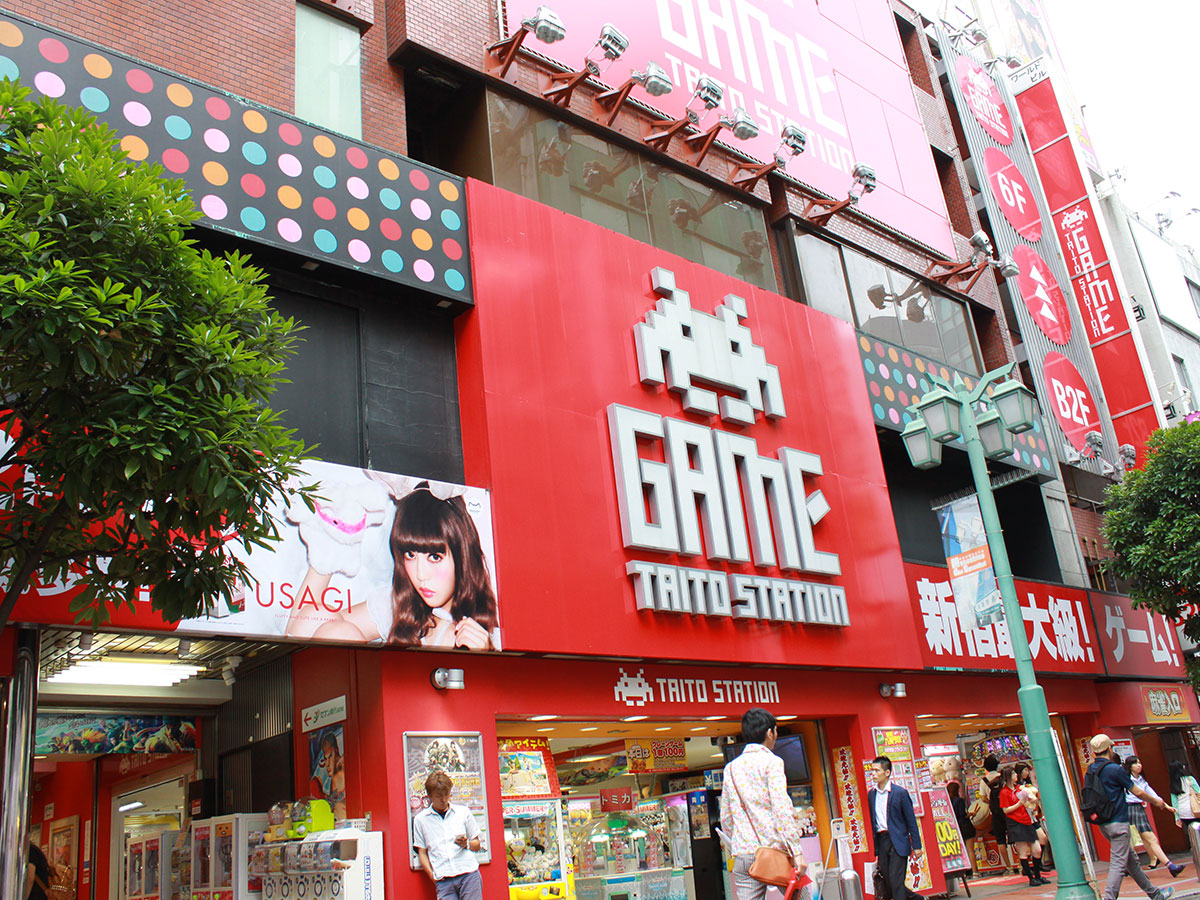
Taito Station
Taito Station is the largest chain of gaming arcades in Japan with over 160 branches throughout the country. There are numerous branches in Tokyo alone, facing main roads and directly connected to train stations in Shinjuku, Shibuya, Ikebukuro, Ueno, Asakusa, and Akihabara, and other branches cover a wide range of formats including branches in shopping centers, where the whole family can have fun, and larger scale branches in the suburbs. Of those branches, the one we recommend the most is the TAITO STATION Shinjuku South Exit GAME WORLD branch.
Located just 3 minutes by foot from Shinjuku Station, the branch includes EXBAR TOKYO plus on the 1st basement floor where you can play a wide variety of games while sipping on craft beer that you pour yourself. It is connected to the main game floors that feature a wide variety of games, such as claw machines, so there’s no shortage of things to do and see. Next, the 2nd basement floor is occupied by the Kurayami Yuenchi (Darkness Amusement Park), based on a theme of darkness, featuring a variety of attractions for you to experience together, such as mystery solving, an escape game, and audible horror. This horror attraction, that focuses on clearing missions, offers a mix of screams, thrills, and excitement.
TAITO STATION Shinjuku South Exit GAME WORLD branch is Shinjuku’s entertainment hub where you can enjoy playing, drinking, and attractions all at once.
Located just 3 minutes by foot from Shinjuku Station, the branch includes EXBAR TOKYO plus on the 1st basement floor where you can play a wide variety of games while sipping on craft beer that you pour yourself. It is connected to the main game floors that feature a wide variety of games, such as claw machines, so there’s no shortage of things to do and see. Next, the 2nd basement floor is occupied by the Kurayami Yuenchi (Darkness Amusement Park), based on a theme of darkness, featuring a variety of attractions for you to experience together, such as mystery solving, an escape game, and audible horror. This horror attraction, that focuses on clearing missions, offers a mix of screams, thrills, and excitement.
TAITO STATION Shinjuku South Exit GAME WORLD branch is Shinjuku’s entertainment hub where you can enjoy playing, drinking, and attractions all at once.
 30 minutes by train(non-JR lines)
2
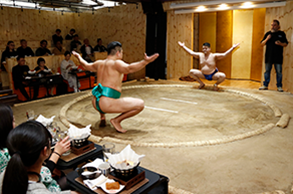
Asakusa Sumo Club
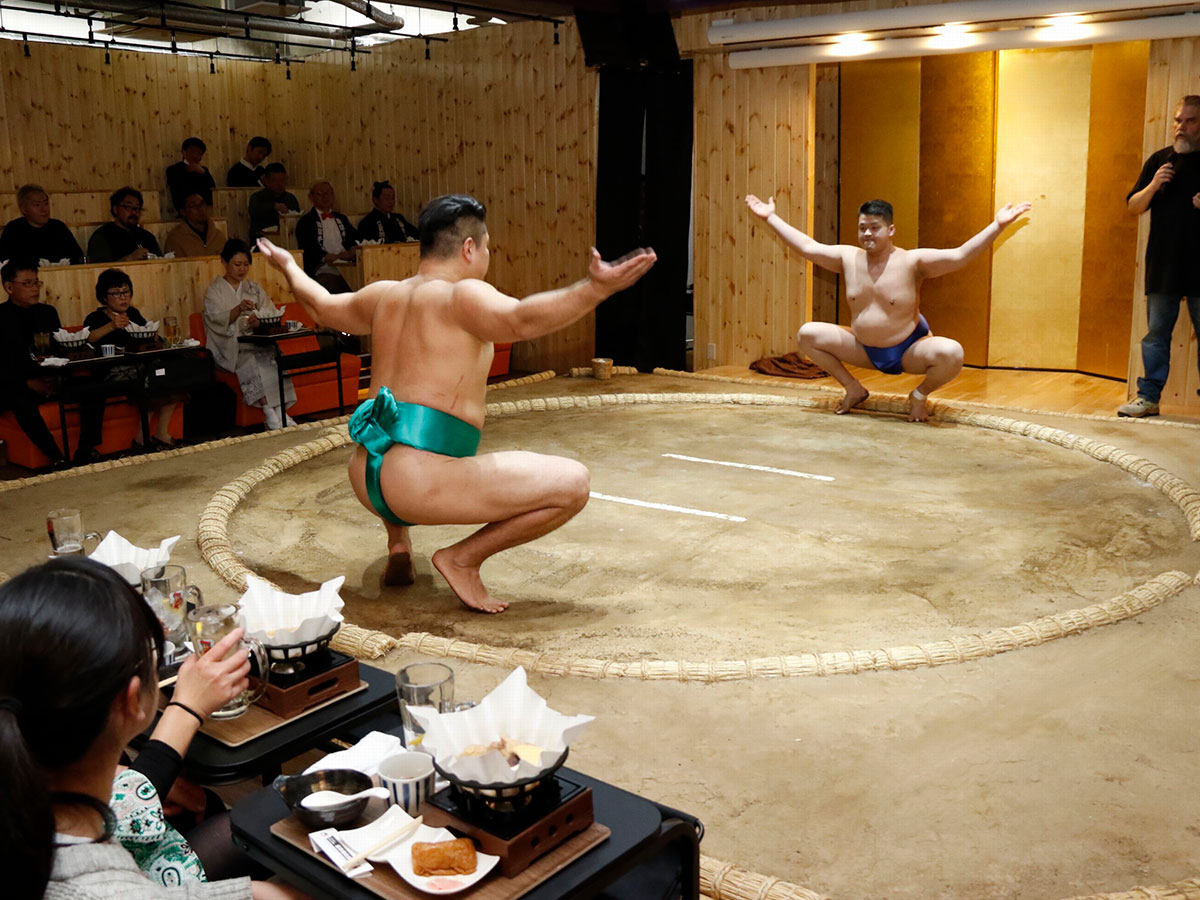
The Asakusa Sumo Club is a special type of interactive restaurant where diners can experience a very impressive live demonstration by former sumo wrestlers. It is an opportunity to have fun while learning about the depth and appeal of sumo wrestling through the powerful performances and at times humorous commentary. In addition to watching, diners can even get in the ring themselves to challenge one of the wrestlers or take photos with them to create a memory that will surely be unforgettable. Furthermore, in addition to their cuisine, such as their famed Chanko-Nabe hot pot, diners also receive a free original gift. So please enjoy this opportunity to experience the warmth and power of Japanese culture as part of your Asakusa sightseeing plan.
 5 minutes by train(non-JR lines)
25 minutes by train (JR)
5 minutes by train(non-JR lines)
25 minutes by train (JR)
 16 minutes by foot
3
NAKANO BROADWAY
This is a 10-floor complex comprising commercial spaces and residences from the first basement floor to the fourth floor. It is famous around the world as the "holy grounds for subcultures," with many stores selling items related to manga, anime, and Japanese pop culture. There are also many luxury watch shops selling both new and antique watches, and has attracted the attention of watch enthusiasts for this reason. The first basement floor is lined with community-based stores such as fresh food stores and supermarkets, and it is a shopping street that is always bustling and lively.
 26 minutes by train(non-JR lines)
8 minutes by foot
26 minutes by train(non-JR lines)
8 minutes by foot
4
Shimbashi Area
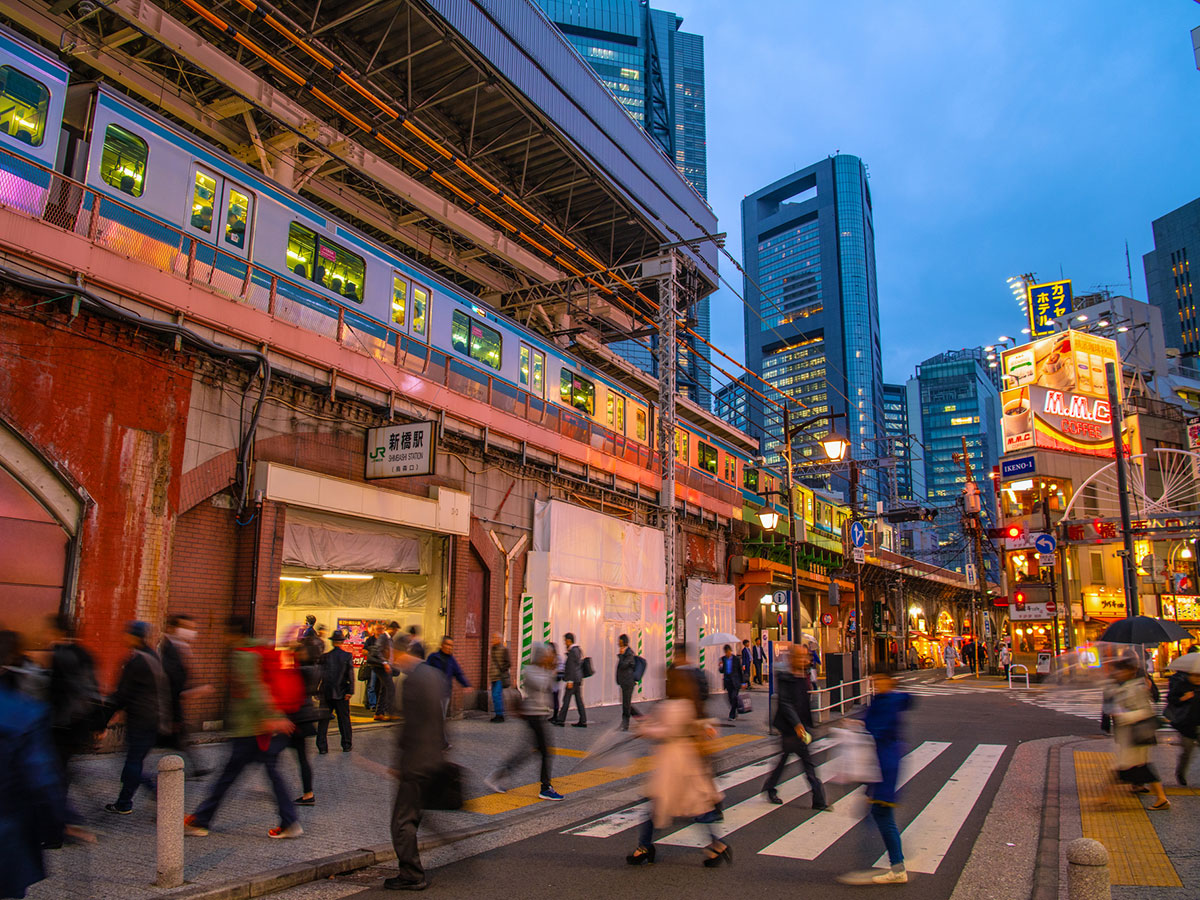
Known as the “salaryman’s town,” the Shimbashi area combines an atmosphere of entertainment for the common people, featuring Izakaya bars and food stalls lining the streets since just after WWII, with modern skyscrapers that increase in number as redevelopment proceeds. The SL Square in front of Shimbashi Station is famous as a place to meet up, and is filled with bustling crowds in the early evening. In addition to enjoying classic drinking establishments and back alley gourmet dining, the area provides great access to other popular tourist spots such as Ginza and Shiodome, letting you experience both the old inner-city culture and business district atmosphere of Tokyo at the same time.
 1 hour 35 minutes by train (JR)
 15 minutes by taxi
Days 2 to 3
A journey of history and taste in the Forest City
Balance your mind at the historic Rinno-ji Temple, and enjoy the unique tastes of Sendai with craft beer and whiskey. This route offers appeals where culture and nature intersect, with a chance to experience the power of nature at the Akiu Great Falls.
5
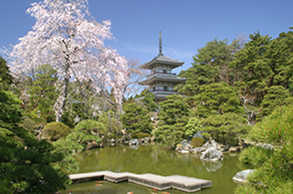
Rinno-ji Temple
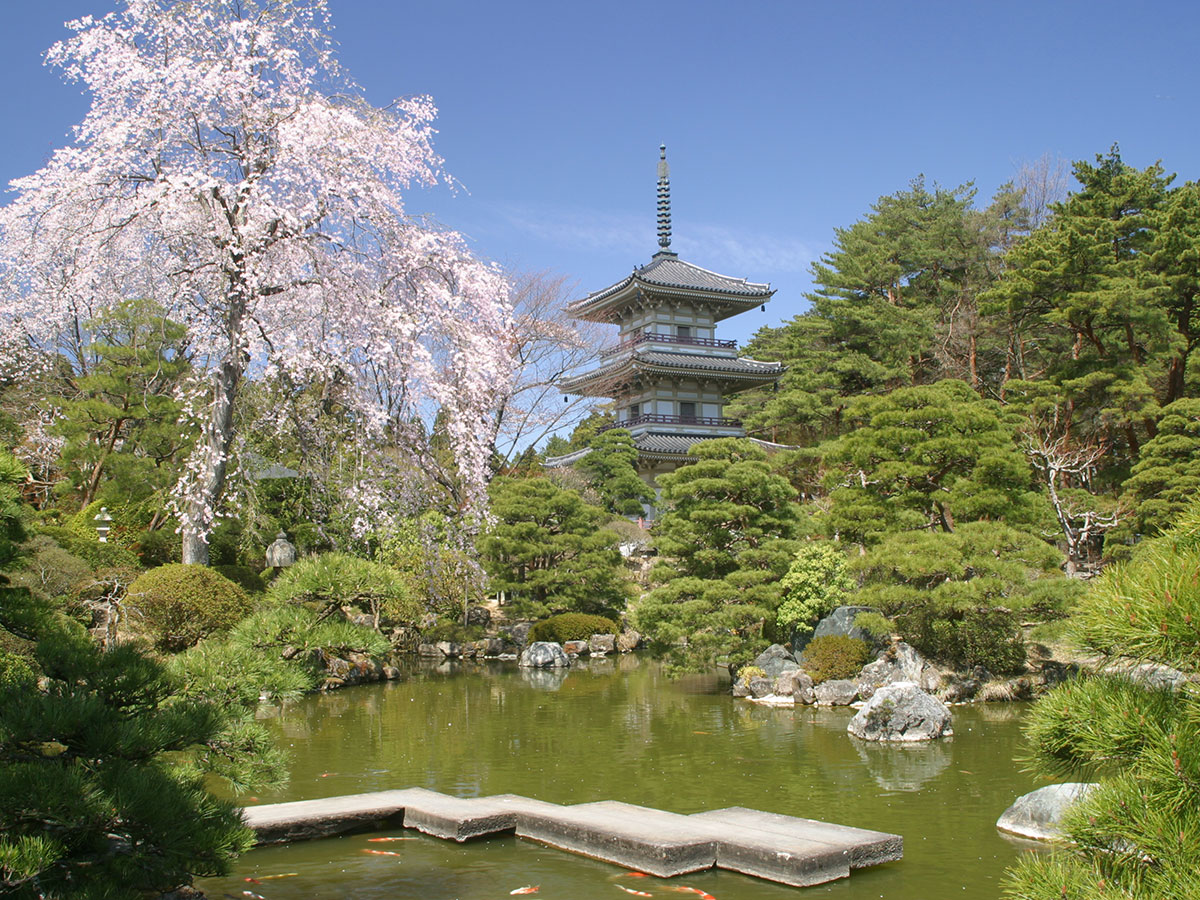
Rinno-ji Temple was founded by the 11th generation Date Mochimune, with Taian Bonshu Osho serving as the first head priest, in 1441, the first year of the Kakitsu era, in Yanagawa, Fukushima Prefecture, at the request of Zen Buddhist nun Rantei Myogyoku, the wife of Date Masamune, 9th Lord of the Date Clan.
The founding period of Rinno-ji Temple coincided with the rapid rise to power of the Date Clan, and when the main castle of the Clan was moved consecutively between Yanagawa, Nishiyama, Yonezawa, Aizu, Yonezawa, Iwadeyama, and finally Sendai, Rinno-ji was moved along with it, finally arriving in the current location of Sendai under the 9th Osho, Hisayama Koten, in 1602, the 7th year of the Keicho era under the 17th Lord Masamune. This is referred as the Six Transitions of Rinno-ji in the historical record. A wildfire burned the entire temple complex to ashes in 1876, the 9th year of the Meiji era, leaving only the Niomon Gate. Subsequently Fukutei Mugai Osho (1881-1943) began reconstruction in in 1903, the 36th year of the Meiji era, and the current main hall and Kuri building were completed in 1915, the 4th year of the Taisho period.
The founding period of Rinno-ji Temple coincided with the rapid rise to power of the Date Clan, and when the main castle of the Clan was moved consecutively between Yanagawa, Nishiyama, Yonezawa, Aizu, Yonezawa, Iwadeyama, and finally Sendai, Rinno-ji was moved along with it, finally arriving in the current location of Sendai under the 9th Osho, Hisayama Koten, in 1602, the 7th year of the Keicho era under the 17th Lord Masamune. This is referred as the Six Transitions of Rinno-ji in the historical record. A wildfire burned the entire temple complex to ashes in 1876, the 9th year of the Meiji era, leaving only the Niomon Gate. Subsequently Fukutei Mugai Osho (1881-1943) began reconstruction in in 1903, the 36th year of the Meiji era, and the current main hall and Kuri building were completed in 1915, the 4th year of the Taisho period.
 30 minutes by taxi
6
GREAT DANE BREWING
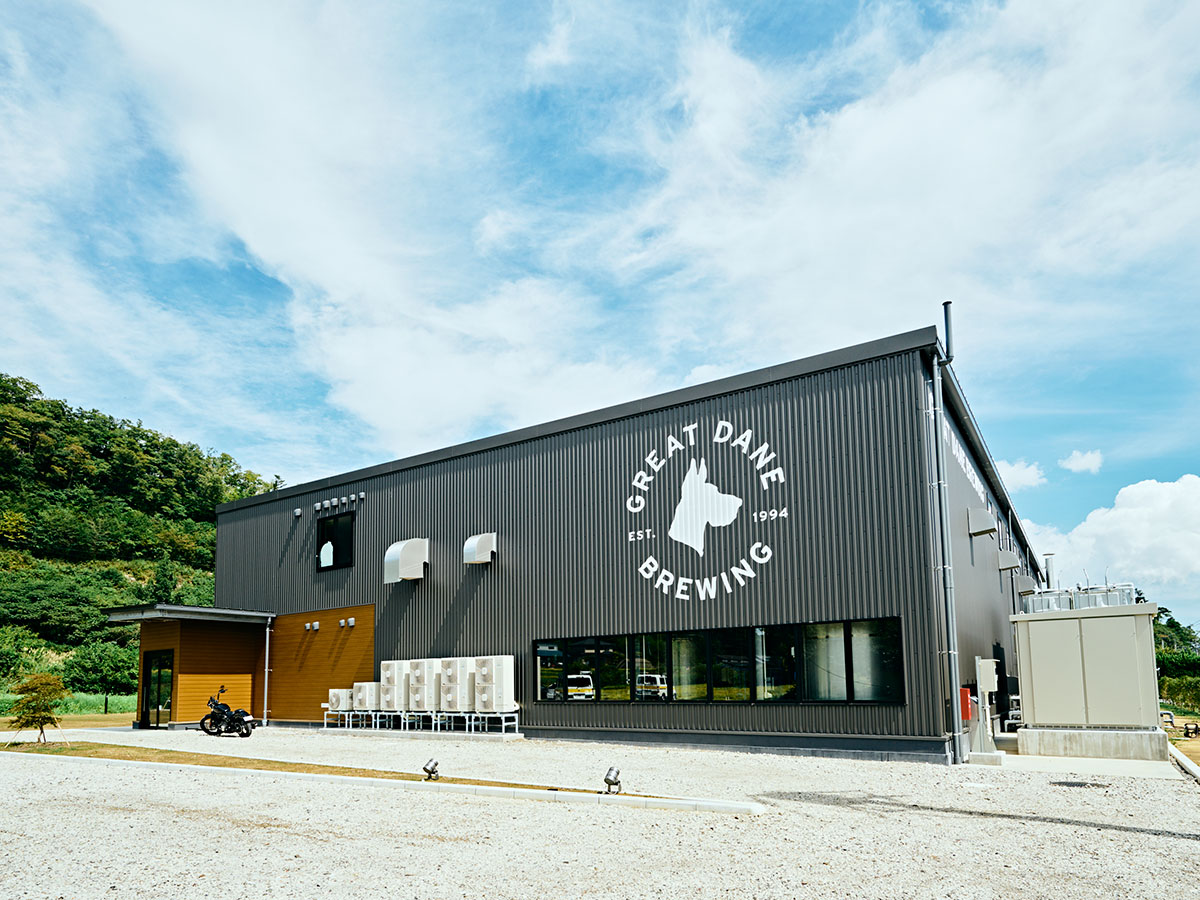
Established in the state of Wisconsin in the US in 1994, Great Dane Brewing launched a new brewery location in Akiu, Sendai, in 2024. The brewmaster, selected as the top brewmaster in the US, produces several dozen new deeply flavorful varieties of original beer every year. The restaurant attached to the brewery offers up to 16 varieties of freshly brewed beers along with an American style food menu featuring ingredients from Miyagi. So come and enjoy delicious beer and food while surrounded by the abundant nature of Akiu, Sendai.
 25 minutes by taxi
7
The Nikka Whisky Sendai Miyagikyo Distillery
This distillery distills and stores malt whisky. On the one-hour tour of the facility, you can watch the manufacturing process and taste the whisky made there.
 25 minutes by taxi
8
Akiu Onsenkyo Hot Springs (Akiu Otaki Falls, Rairai-kyo Gorge)
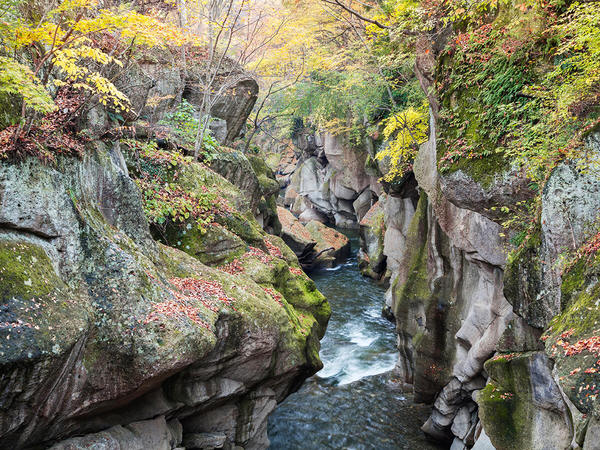
Akiu Onsen is a famous hot spring village that is known as the “inner parlor of Sendai.” The nearby Rairai-kyo Gorge has a 650m long trail. A roundtrip on the trail is about a 30 to 40 minute walk. Here, visitors can enjoy a variety of peculiarly-shaped rocks and the beauty of the gorge to their heart's content. A short drive or bus ride of about 14 kilometers close-up view of Akiu Otaki Falls, one of the top three waterfalls of Japan, with a width of 6m and a drop of 55m.
©AFLO
1 hour 45 minutes by train (JR)
50 minutes by taxi
Days 4 to 6
Aomori, rooted in vast nature and the vitality of festivals
Feel the grandeur of nature on the Michinoku Coastal Trail and be soothed by the crystal clear waters of the Oirase Keiryu Gorge. This route lets you experience the appeals of Aomori to the fullest, woven by nature, culture, and history. Here you will experience the vibrant festival culture at the Nebuta Museum WA RASSE, and interact with ancient history at the Sannai-Maruyama Site.
9
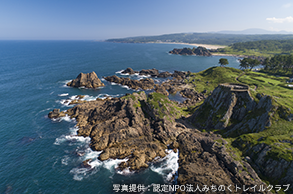
Michinoku Coastal Trail
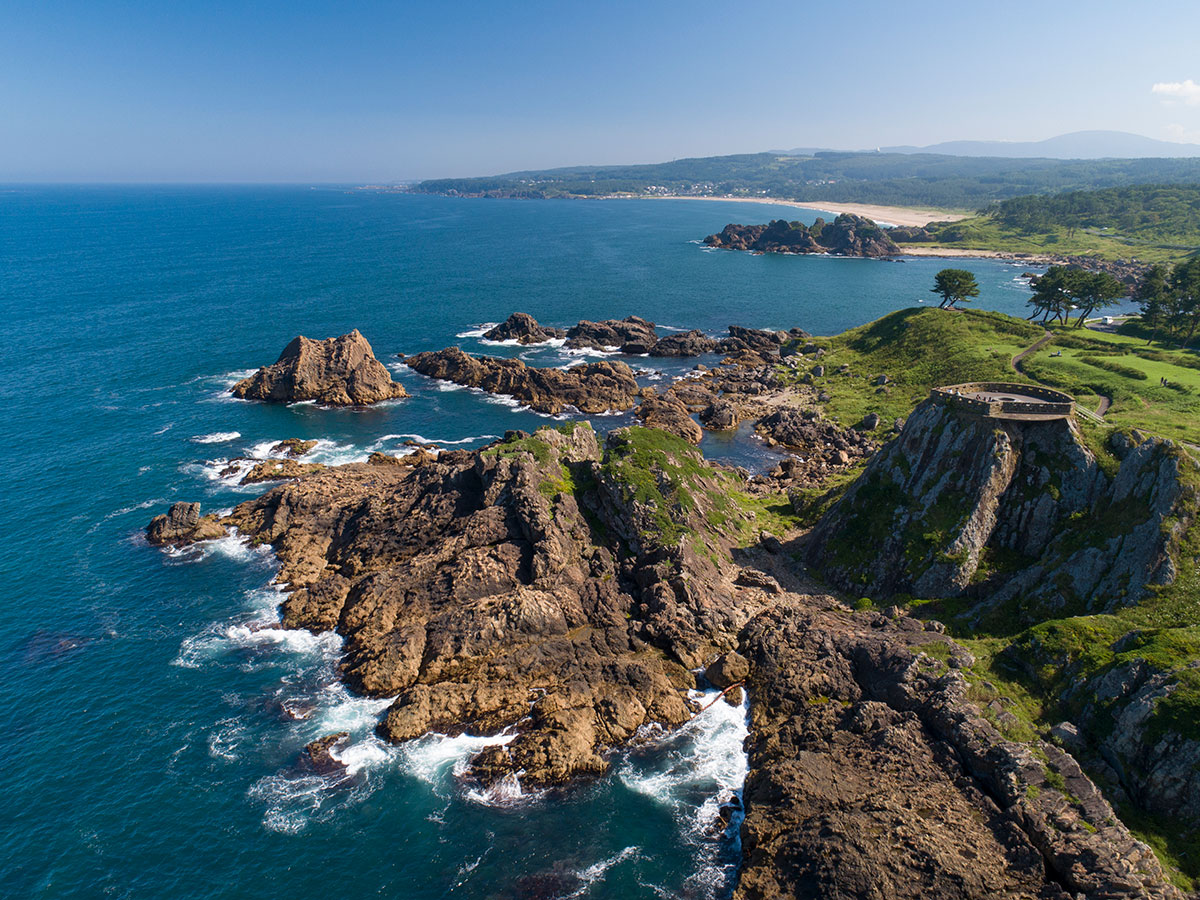
The Michinoku Coastal Trail is part of the Green Reconstruction Project based around the establishment of the Sanriku Fukko National Park at its core, created by the Ministry of the Environment for the purpose of reconstruction after the Great East Japan Earthquake that occurred on March 11, 2011. The Michinoku Coastal Trail is best known for the beautiful scenery formed by the dynamic sea, rivers, villages, and forests that are typical of the Tohoku Pacific coastline. The region thrives today thanks to the overlapping of the lives of coexistence with nature of the people, the accumulated history and culture, and the bounty of the severe but abundant natural environment. And another important attraction of this trail is the warm interactions between people that are encountered in the course of walking along it. Here you will surely experience joys and discover new things that are only possible at a walking pace. So why not embark on a walking journey through Tohoku?
写真提供:認定NPO法人みちのくトレイルクラブ
1 hour 30 minutes by taxi
10
Oirase Gorge
Flowing approximately 14 kilometers from Nenokuchi on Lake Towada to Yakeyama, Oirase Gorge has lush trees and several waterfalls, and the charming ever-changing flow, oddly shaped rocks, and beauty spots give rise to magnificent mountain stream scenery, allowing you to thoroughly enjoy the beauty of nature in all four seasons. Fresh greenery is visible from May to June, and the fall leaves start to change color in early October and are at their best from mid to late October.

©AFLO
1 hour 25 minutes by taxi
11
Nebuta Museum Wa Rasse
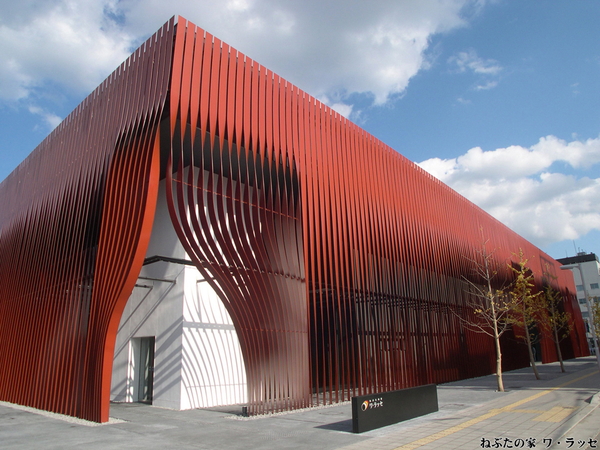
A facility for culture and tourism exchange in Aomori City, Nebuta Museum Wa Rasse was opened in January 2011 next door to the JR Aomori Station. The museum fully introduces the history and charms of the Nebuta Festival, which witnessed the growth of the city over the years, and serves as a "dream space" to experience everything about Nebuta throughout the year.
 15 minutes by taxi
12
Special Historic Site Sannai Maruyama Site
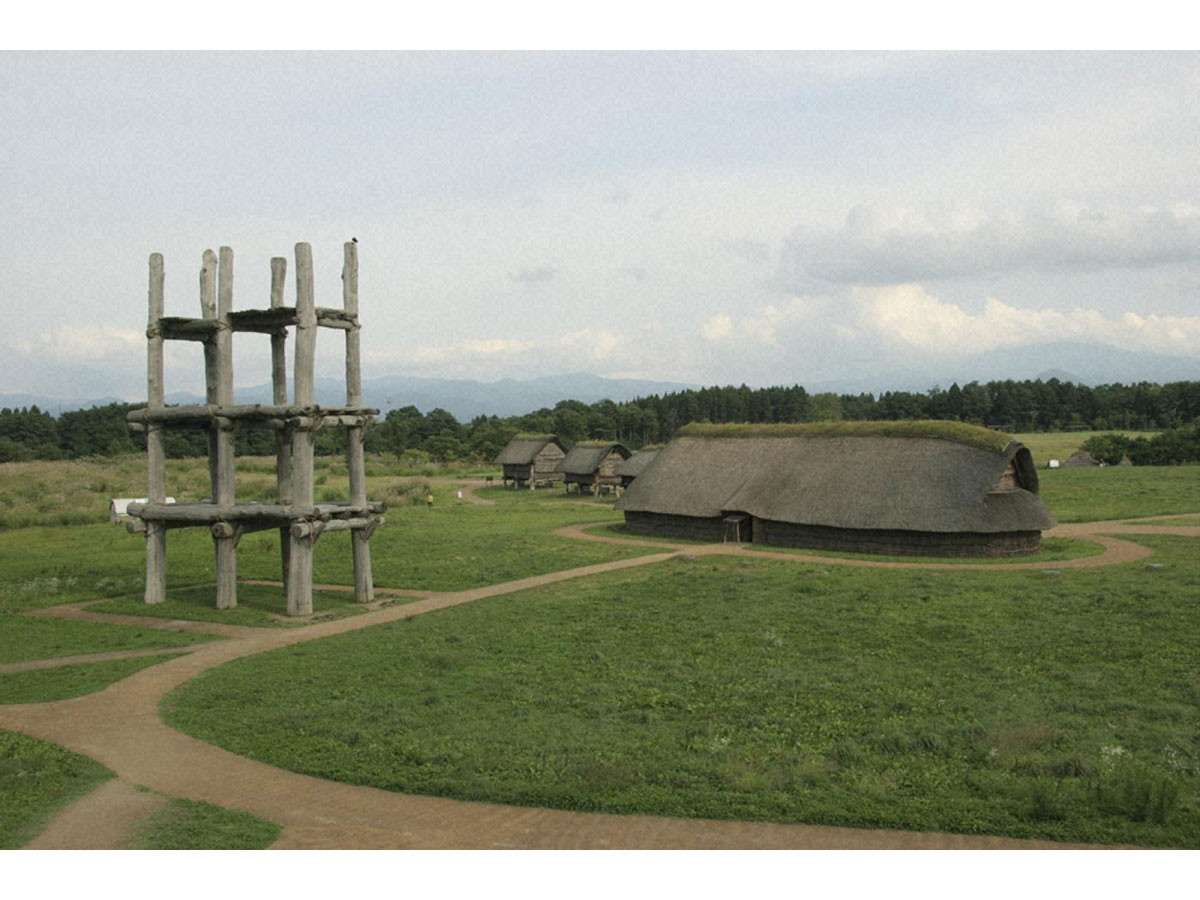
The Sannai Maruyama Site is one of the leading archaeological sites from the Jomon Period in Japan. Archaeological excavations here uncovered the remains of a large scale village that was occupied for a period of approximately 1,700 years from the early to middle Jomon Period. In addition to the remains of a large number of pit-dwellings, pillar-supported buildings, earthen mounds, and graves for both adults and children, many artifacts were also unearthed, including a massive volume of pottery and stoneware, precious wooden objects, and objects made of bone. Due to the extreme importance of these findings, the site was designated as a Special Historic Site in 2000, and later, in 2021, the Jomon Prehistoric Sites in Northern Japan, which includes the Sannai Maruyama Site, was registered as a World Cultural Heritage.
The Sannai Maruyama Site offers a permanent exhibit of over 1,500 artifacts that offer a view of the daily lives of the Jomon people who lived in the village, including reconstructed buildings and the remains of actual structures that let you experience village life of the Jomon Period directly.
The Sannai Maruyama Site offers a permanent exhibit of over 1,500 artifacts that offer a view of the daily lives of the Jomon people who lived in the village, including reconstructed buildings and the remains of actual structures that let you experience village life of the Jomon Period directly.
Collection of Sannai Maruyama Jomon Culture Center
*The information provided here is as of December 2025.
*Transportation information does not include the number of transfers or transfer time.
*Admission fees may be charged depending on the spot/facility. For the latest information on business hours, days when spots/facilities are regularly closed, prices, etc., please check the official website for each spot/facility or check directly with the spot/facility.
*Transportation information does not include the number of transfers or transfer time.
*Admission fees may be charged depending on the spot/facility. For the latest information on business hours, days when spots/facilities are regularly closed, prices, etc., please check the official website for each spot/facility or check directly with the spot/facility.
update: Dec.16.2025